

For over forty years, the sound of the Caribbean road has been the steady hum of Japanese internal combustion. From the coastal stretches of Barbados to the rugged interior routes of Guyana, the gasoline engine hasn’t just been a choice; it’s been the only viable way of life.
But as we look toward 2026, that era of dominance is facing a sudden, systemic shock. We aren’t just seeing a gradual shift; we are witnessing a decade of global automotive progress compressed into a two-year window.
By 2026, no fewer than 15 game-changing electric vehicle brands will arrive in the Caribbean market, effectively ending the monopoly of the gas pump.
For the average driver in Georgetown or Bridgetown, the frustration is reaching a boiling point—fluctuating fuel prices that hold monthly budgets hostage and the endless cycle of maintaining aging engines.
The solution has arrived, and it is smarter, quieter, and faster than anything we’ve seen before. The rise of brands such as BYD, Geely, and NIO is not simply a trend—it is a complete rewriting of the Caribbean automotive roadmap.
The Great Pivot to Chinese Innovation
The legendary reliability once associated with traditional imports is now being challenged by a new metric: technological value.
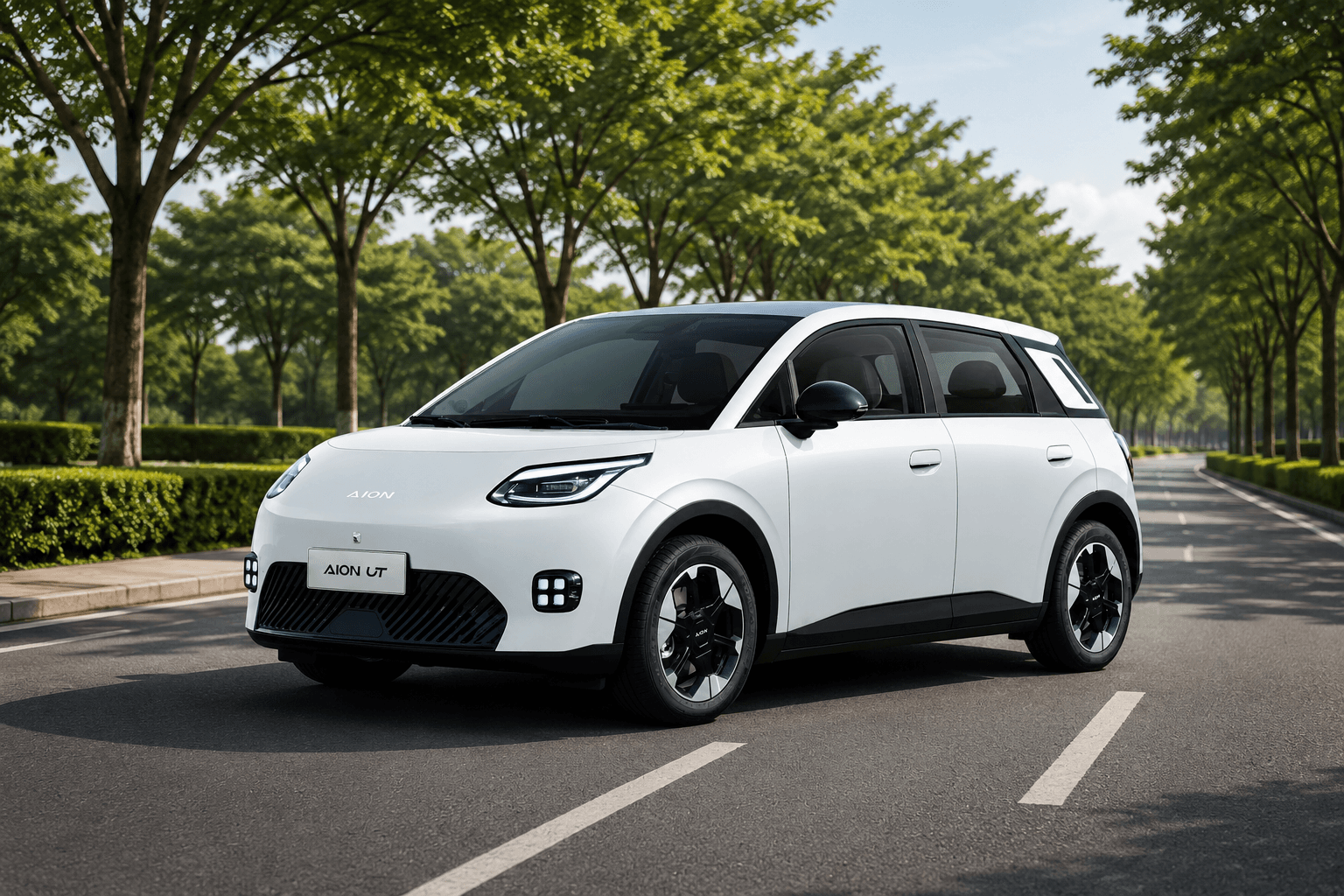
Manufacturers such as GAC Aion and BYD are treating vehicle development much like smartphone innovation cycles—fast, iterative, and technology-focused.
“Chinese manufacturers have invested billions into electric vehicle development. Their advantages include advanced battery technology, competitive pricing, and excellent value for money.”
The shift is undeniable. Brand loyalty is fading as buyers discover modern safety systems, battery technology, and infotainment features that make older vehicle platforms feel outdated.
The Death of the Complex Engine
In the Caribbean, the transition to EVs is more than a technological change—it is an economic advantage.
Barbados’ coastal conditions and Guyana’s demanding road environments place significant strain on traditional engines. Electric drivetrains eliminate many of the components that commonly fail in conventional vehicles.
This mechanical simplicity results in lower ownership costs and fewer maintenance concerns.
Key Cost-Saving Benefits
- Lower Energy Costs: Electricity remains significantly more cost-effective than fuel.
- No Oil Changes: EVs eliminate routine engine oil servicing.
- Regenerative Braking: Extends brake component lifespan.
- Predictable Maintenance: Fewer mechanical parts mean fewer unexpected repairs.
Pickup Trucks Are the New Frontier for Business
One of the biggest disruptions is occurring in the commercial vehicle segment.
Industries such as agriculture, mining, construction, and logistics rely heavily on pickup trucks. Electric pickups like the BYD Shark are introducing new levels of efficiency while reducing fuel expenses.
Spotlight: BYD Shark
The BYD Shark combines strong electric torque, advanced safety features, and reduced operating costs. For businesses where fuel is a major expense, it represents a significant competitive advantage.
Its instant power delivery is particularly useful on demanding roads and under heavy loads, making it a compelling alternative to traditional diesel trucks.
Luxury No Longer Requires a Premium Badge
The luxury vehicle market is undergoing a dramatic transformation.
For decades, prestige was closely linked to a handful of traditional luxury brands. Today, models such as the Zeekr 001 and NIO ET7 are redefining what luxury means.
Modern luxury is increasingly measured by:
- Software integration
- Advanced driver-assistance systems
- Battery technology
- Connectivity features
- Autonomous driving capabilities
For many buyers, cutting-edge innovation is becoming more valuable than legacy brand recognition.
Home Becomes Your Gas Station
One of the most significant lifestyle changes brought by EV ownership is home charging.
Instead of visiting fuel stations weekly, owners simply charge overnight and begin each day with a full battery.
As charging infrastructure expands across Guyana and Barbados, EV ownership is becoming increasingly practical for everyday drivers.
The convenience of waking up to a fully charged vehicle is one of the strongest arguments in favor of electric mobility.
Key Models Comparison
| Brand / Model | Category | Defining Feature |
|---|---|---|
| BYD Atto 3 | Compact SUV | Excellent value for families |
| Geely Galaxy E5 | Family SUV | Highly spacious interior |
| GAC Aion Y | Urban SUV | Smart technology and battery performance |
| Zeekr X | Premium SUV | High-end luxury features |
| NIO EL6 | Luxury SUV | Long-range performance |
Conclusion: The 2026 Road Map
The transition to electric mobility in Guyana and Barbados is no longer a future possibility—it is an emerging reality.
As infrastructure expands and ownership costs continue to fall, electric vehicles are becoming the practical choice for Caribbean drivers.
Companies like Chiyoaki are helping bridge the gap between global EV innovation and local buyers by providing access to the latest electric models from leading manufacturers.
Whether you are considering your next family SUV, luxury EV, or business vehicle, the question is becoming increasingly simple:
Will your next vehicle be your last gasoline-powered car, or your first electric one?